
How Solar Energy Saves You Money
- Laura Bachmann
- May 28
- 4 min read
Solar energy is not just a buzzword; it's a practical solution that can significantly reduce your energy bills. As the world shifts towards renewable energy sources, many homeowners and businesses are discovering the financial benefits of harnessing the sun's power. In this blog post, we will explore how solar energy can save you money, the various incentives available, and practical steps to make the switch.

Understanding Solar Energy
Solar energy is derived from the sun's radiation, which can be converted into electricity or heat. The two primary technologies used to harness solar energy are:
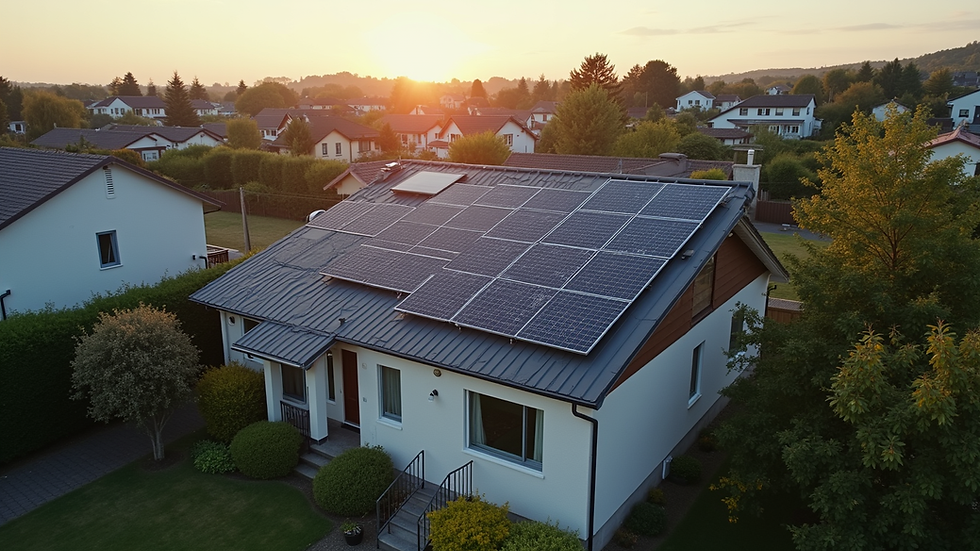
Photovoltaic (PV) Systems: These systems convert sunlight directly into electricity using solar panels.
Solar Thermal Systems: These systems use sunlight to heat water or air for residential or commercial use.
Both systems can lead to substantial savings on energy costs, but they operate differently and serve different purposes.
The Financial Benefits of Solar Energy
Reduced Electricity Bills
One of the most immediate benefits of installing solar panels is the reduction in your electricity bills. By generating your own electricity, you can significantly decrease your reliance on the grid. Here’s how it works:
Net Metering: Many states offer net metering programs that allow you to sell excess electricity back to the grid. This means that during sunny days, when your solar panels produce more energy than you need, you can earn credits that offset your energy costs during less sunny days.
Fixed Energy Costs: With solar energy, you can lock in your energy costs. Unlike traditional energy sources, which can fluctuate in price, solar energy provides a stable and predictable cost structure.
Tax Incentives and Rebates
In many regions, governments offer financial incentives to encourage the adoption of solar energy. These can include:
Federal Tax Credit: In the United States, homeowners can take advantage of the federal solar tax credit, which allows you to deduct a significant percentage of the cost of your solar system from your federal taxes.
State and Local Incentives: Many states and local governments offer additional rebates or tax credits. Research your local incentives to maximize your savings.
Increased Property Value
Installing solar panels can increase the value of your home. According to a study by the National Renewable Energy Laboratory, homes with solar energy systems sell for more than those without. This increase in property value can be a significant financial benefit if you decide to sell your home in the future.
Low Maintenance Costs
Solar energy systems require minimal maintenance. Most solar panels come with warranties of 25 years or more, and the only regular maintenance typically involves cleaning the panels to ensure they operate efficiently. This low maintenance requirement means fewer unexpected costs over time.
How to Get Started with Solar Energy
Assess Your Energy Needs
Before making the switch to solar, assess your current energy consumption. Review your electricity bills to understand your usage patterns. This information will help you determine the size of the solar system you need.
Research Solar Providers
Not all solar providers are created equal. Research local companies, read reviews, and ask for recommendations. Look for providers that offer comprehensive services, including installation, maintenance, and customer support.
Get Multiple Quotes
Once you have a list of potential solar providers, request quotes from several companies. Compare the costs, warranties, and services offered. This will help you make an informed decision and ensure you get the best value for your investment.
Understand Financing Options
There are several financing options available for solar energy systems, including:
Cash Purchase: Paying for the system upfront can provide the best long-term savings.
Solar Loans: Many banks and credit unions offer loans specifically for solar installations.
Leases and Power Purchase Agreements (PPAs): These options allow you to install solar panels with little to no upfront cost, paying for the energy produced instead.
Monitor Your System
After installation, monitor your solar energy system's performance. Many systems come with monitoring tools that allow you to track energy production and savings. This information can help you understand the financial benefits of your investment.
Common Misconceptions About Solar Energy
Solar Energy is Too Expensive
While the initial investment for solar panels can be significant, the long-term savings often outweigh the costs. With various financing options and incentives available, many homeowners find that solar energy is more affordable than they initially thought.
Solar Panels Only Work in Sunny Climates
While solar panels are most effective in sunny areas, they can still generate electricity on cloudy days. Modern solar technology has improved efficiency, allowing panels to capture sunlight even in less-than-ideal conditions.
Solar Energy is Complicated to Install
Many solar providers offer comprehensive services that handle everything from permits to installation. With the right provider, the process can be straightforward and hassle-free.
Conclusion
Switching to solar energy is not just an environmentally friendly choice; it is a smart financial decision. By reducing your electricity bills, taking advantage of tax incentives, and increasing your property value, solar energy can lead to significant savings over time. If you’re considering making the switch, take the time to research your options, assess your energy needs, and consult with reputable solar providers. The sun is shining, and it’s time to harness that energy for your financial benefit.
Take the first step towards saving money and embracing renewable energy today!
Comments